|
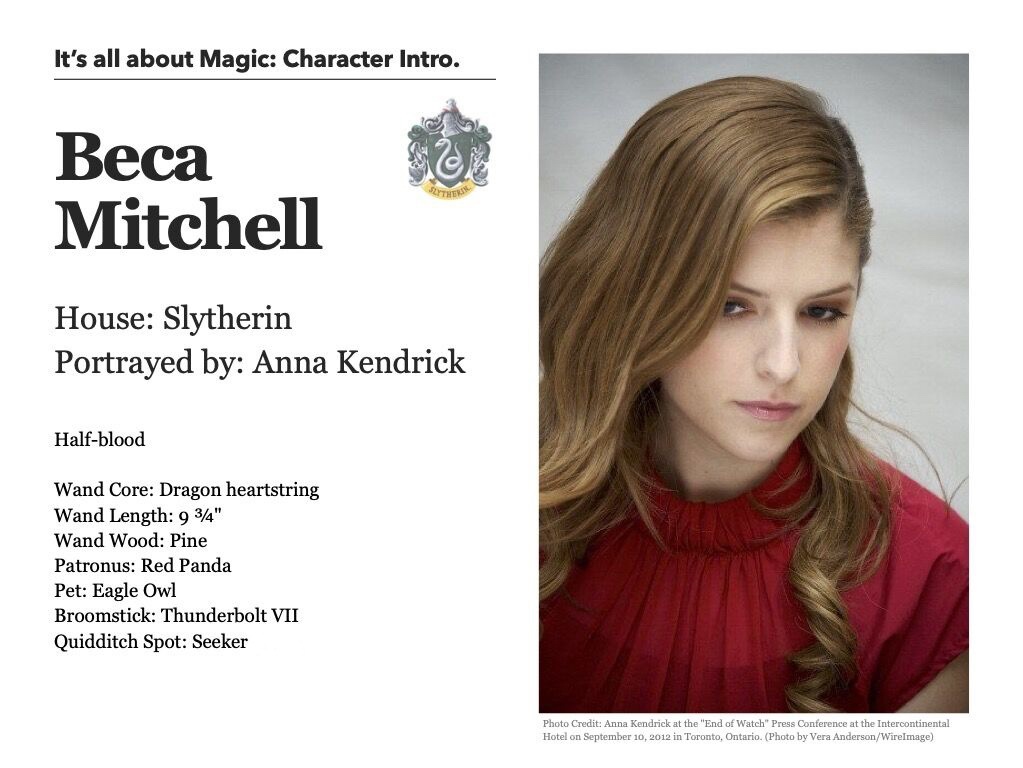
Pine |
The straight-grained pine wand always chooses an independent, individual master who may be perceived as a loner, intriguing and perhaps mysterious. Pine wands enjoy being used creatively, and unlike some others, will adapt unprotestingly to new methods and spells. Many wandmakers insist that pine wands are able to detect, and perform best for, owners who are destined for long lives, and I can confirm this in as much as I have never personally known the master of a pine wand to die young. The pine wand is one of those that is most sensitive to non-verbal magic.
Back to Beca |
|
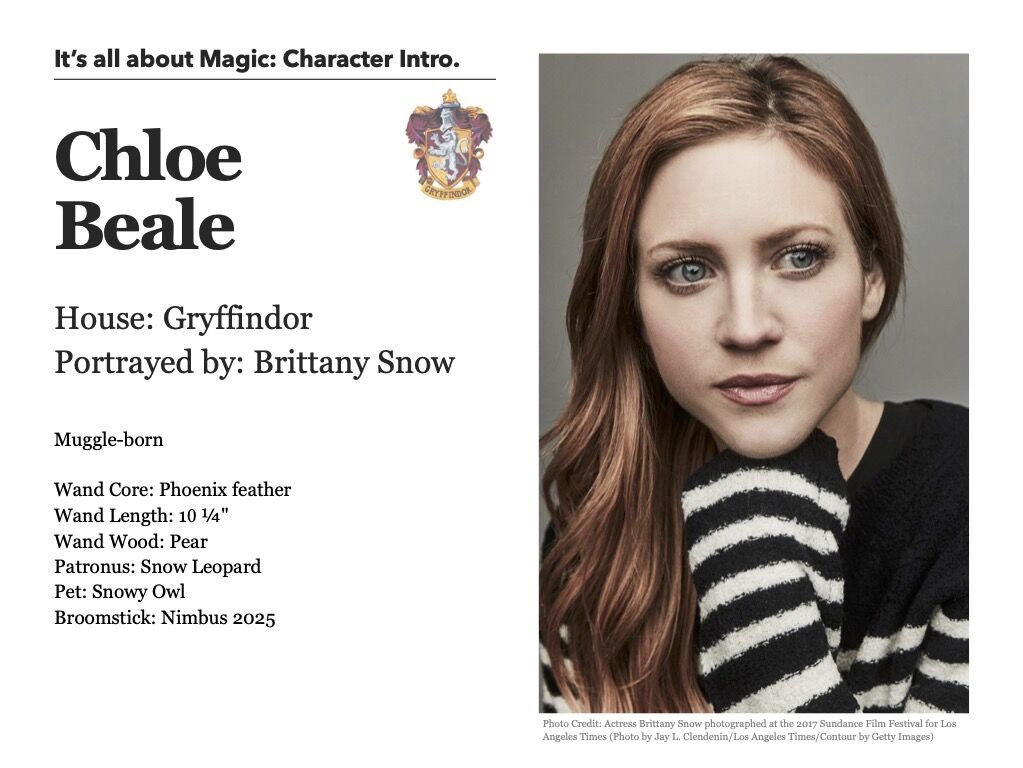
Pear |
This golden-toned wood produces wands of splendid magical powers, which give of their best in the hands of the warm-hearted, the generous and the wise. Possessors of pear wands are, in my experience, usually popular and well-respected. I do not know of a single instance where a pear wand has been discovered in the possession of a Dark witch or wizard. Pear wands are among the most resilient, and I have often observed that they may still present a remarkable appearance of newness, even after many years of hard use.
Back to Chloe |
|
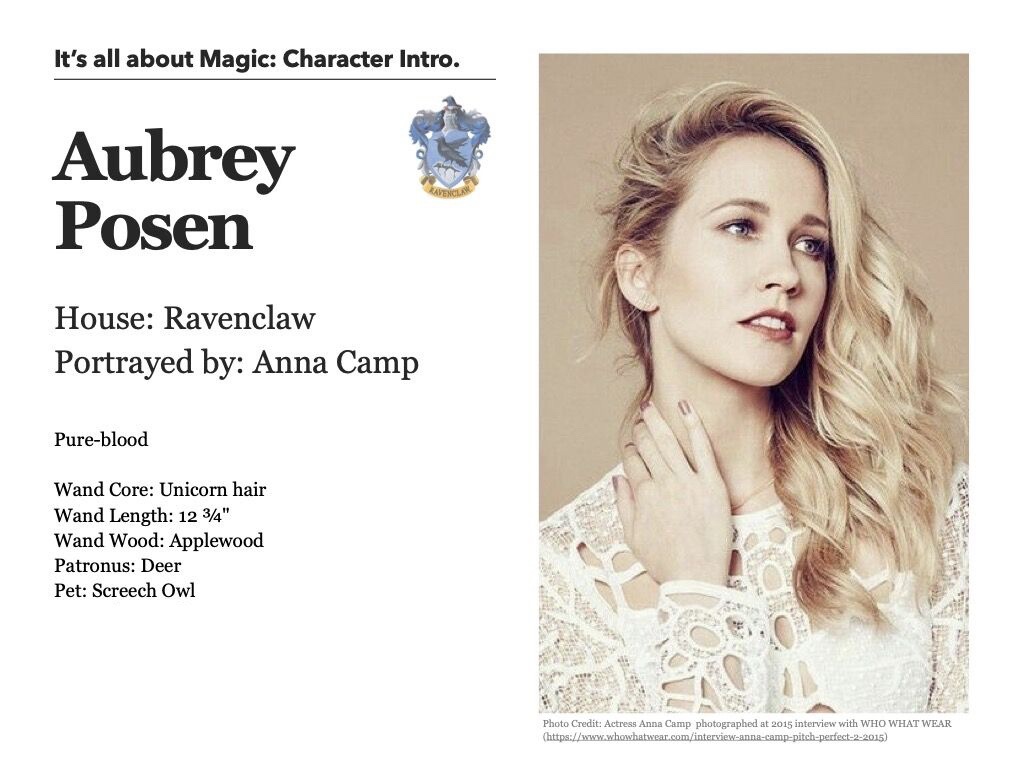
Applewood |
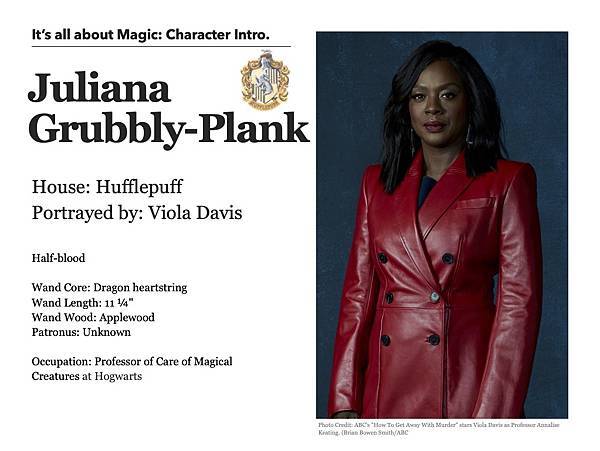
Applewood wands are not made in great numbers. They are powerful and best suited to an owner of high aims and ideals, as this wood mixes poorly with Dark magic. It is said that the possessor of an apple wand will be well-loved and long-lived, and I have often noticed that customers of great personal charm find their perfect match in an applewood wand. An unusual ability to converse with other magical beings in their native tongues is often found among apple wand owners, who include the celebrated author of Merpeople: A Comprehensive Guide to Their Language and Customs, Dylan Marwood.
Back to Aubrey
Back to Juliana Grubbly-Plank |
|
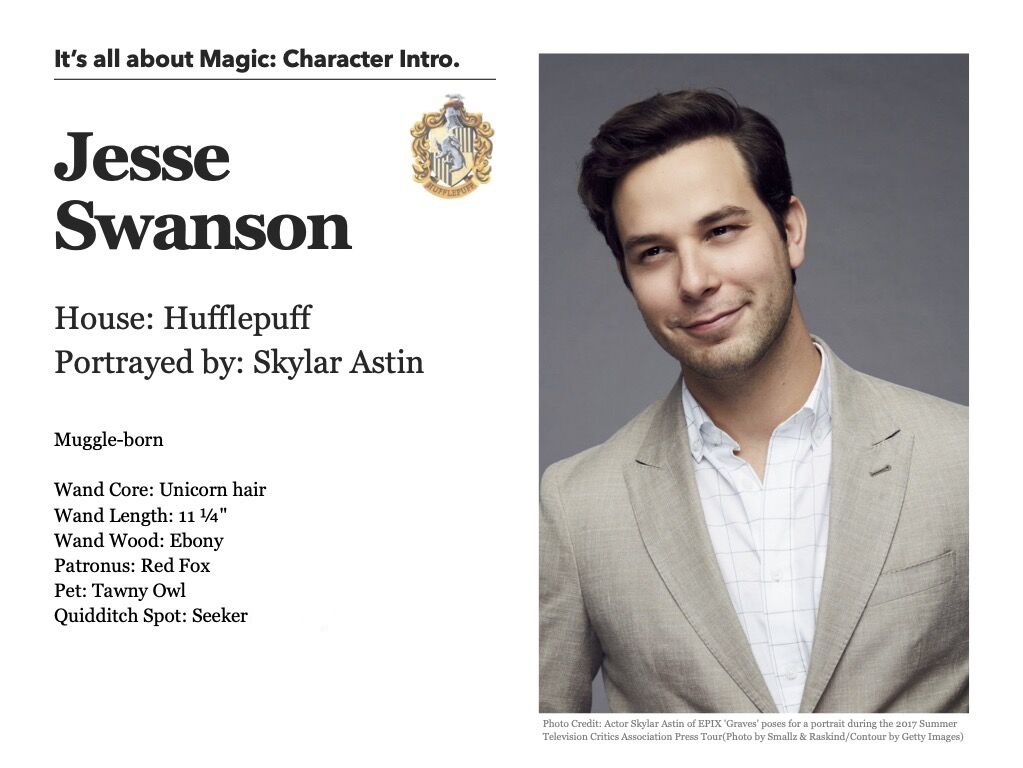
Ebony |
This jet-black wand wood has an impressive appearance and reputation, being highly suited to all manner of combative magic, and to Transfiguration. Ebony is happiest in the hand of those with the courage to be themselves. Frequently non-conformist, highly individual or comfortable with the status of outsider, ebony wand owners have been found both among the ranks of the Order of the Phoenix and among the Death Eaters. In my experience the ebony wand’s perfect match is one who will hold fast to his or her beliefs, no matter what the external pressure, and will not be swayed lightly from their purpose.
Back to Jesse |
|
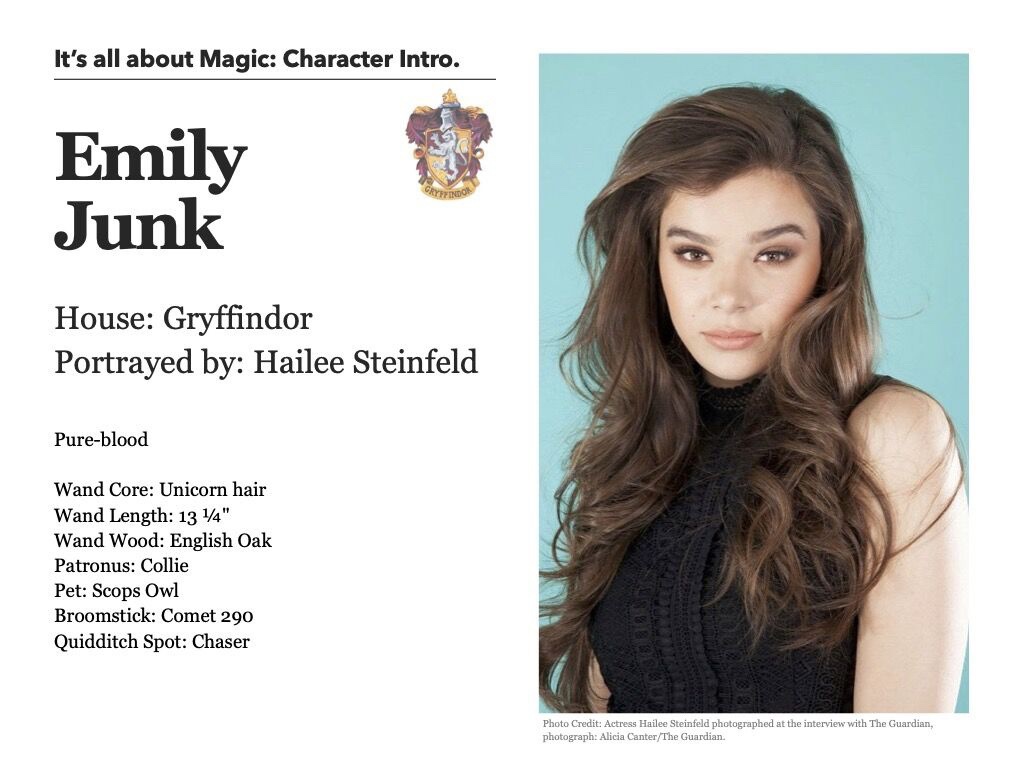
English Oak |
A wand for good times and bad, this is a friend as loyal as the wizard who deserves it. Wands of English oak demand partners of strength, courage and fidelity. Less well-known is the propensity for owners of English oak wands to have powerful intuition, and, often, an affinity with the magic of the natural world, with the creatures and plants that are necessary to wizardkind for both magic and pleasure. The oak tree is called King of the Forest from the winter solstice up until the summer solstice, and its wood should only be collected during that time (holly becomes King as the days begin to shorten again, and so holly should only be gathered as the year wanes. This divide is believed to be the origin of the old superstition, ‘When his wand’s oak and hers is holly, then to marry would be folly,’ a superstition that I have found baseless). It is said that Merlin’s wand was of English oak (though his grave has never been found, so this cannot be proven).
Back to Emily |
|
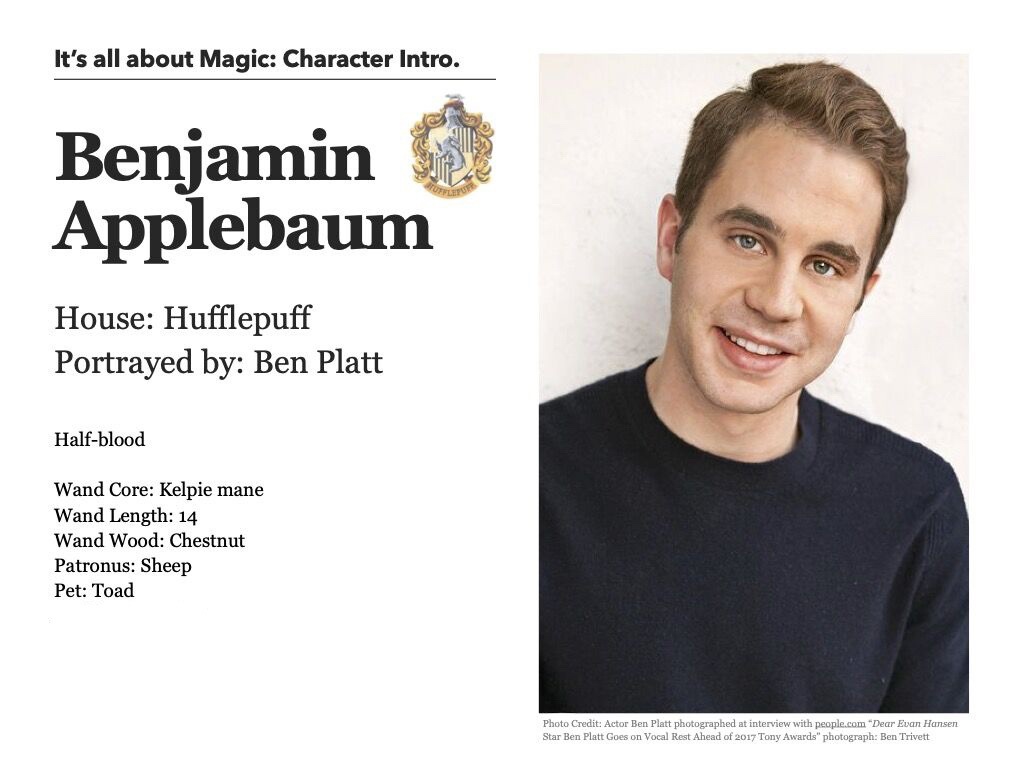
Chestnut |
This is a most curious, multi-faceted wood, which varies greatly in its character depending on the wand core, and takes a great deal of colour from the personality that possesses it. The wand of chestnut is attracted to witches and wizards who are skilled tamers of magical beasts, those who possess great gifts in Herbology, and those who are natural fliers. However, when paired with dragon heartstring, it may find its best match among those who are overfond of luxury and material things, and less scrupulous than they should be about how they are obtained. Conversely, three successive heads of the Wizengamot have possessed chestnut and unicorn wands, for this combination shows a predilection for those concerned with all manner of justice.
Back to Benji |
|
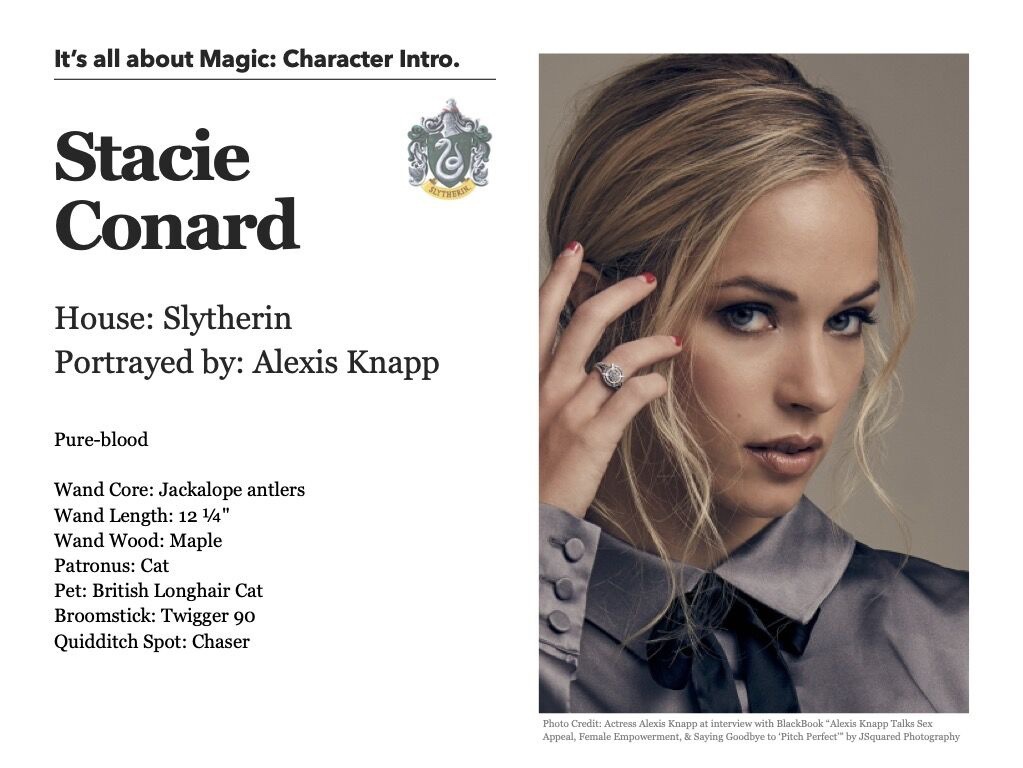
Maple |
I have often found that those chosen by maple wands are by nature travellers and explorers; they are not stay-at-home wands, and prefer ambition in their witch or wizard, otherwise their magic grows heavy and lacklustre. Fresh challenges and regular changes of scene cause this wand to literally shine, burnishing itself as it grows, with its partner, in ability and status. This is a beautiful and desirable wood, and wand-quality maple has been among the most costly for centuries. Possession of a maple wand has long been a mark of status, because of its reputation as the wand of high achievers.
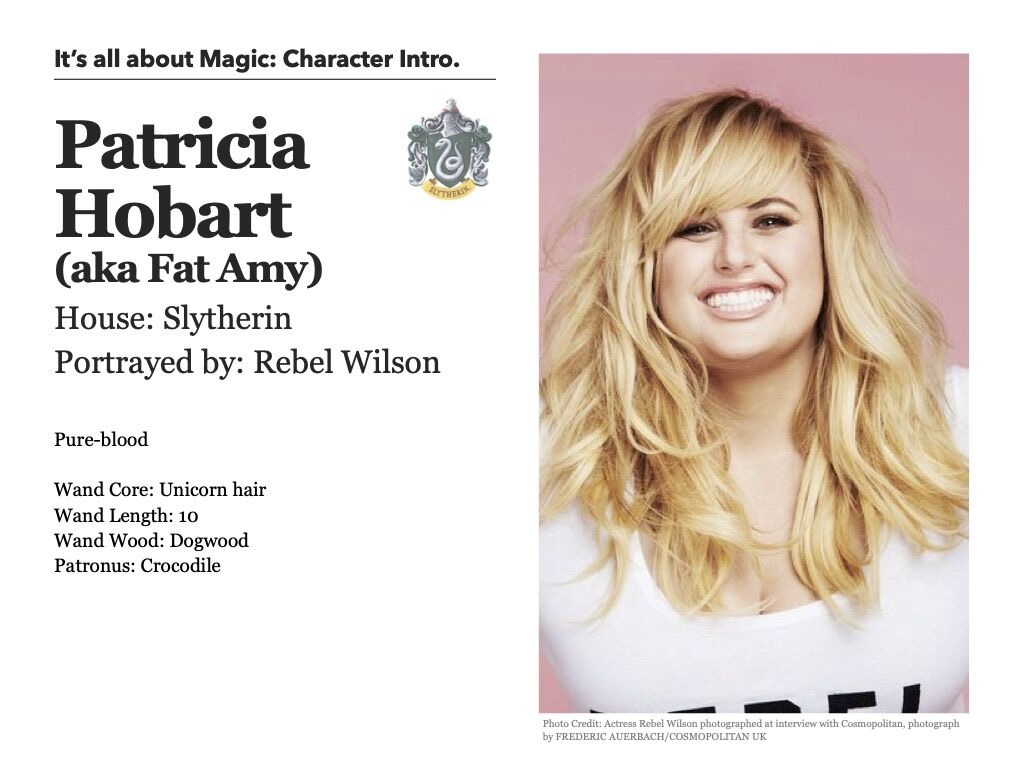
Back to Fat Amy |
|
Dogwood |
Dogwood is one of my own personal favourites, and I have found that matching a dogwood wand with its ideal owner is always entertaining. Dogwood wands are quirky and mischievous; they have playful natures and insist upon partners who can provide them with scope for excitement and fun. It would be quite wrong, however, to deduce from this that dogwood wands are not capable of serious magic when called upon to do so; they have been known to perform outstanding spells under difficult conditions, and when paired with a suitably clever and ingenious witch or wizard, can produce dazzling enchantments. An interesting foible of many dogwood wands is that they refuse to perform non-verbal spells and they are often rather noisy.
Back to Stacie |
|
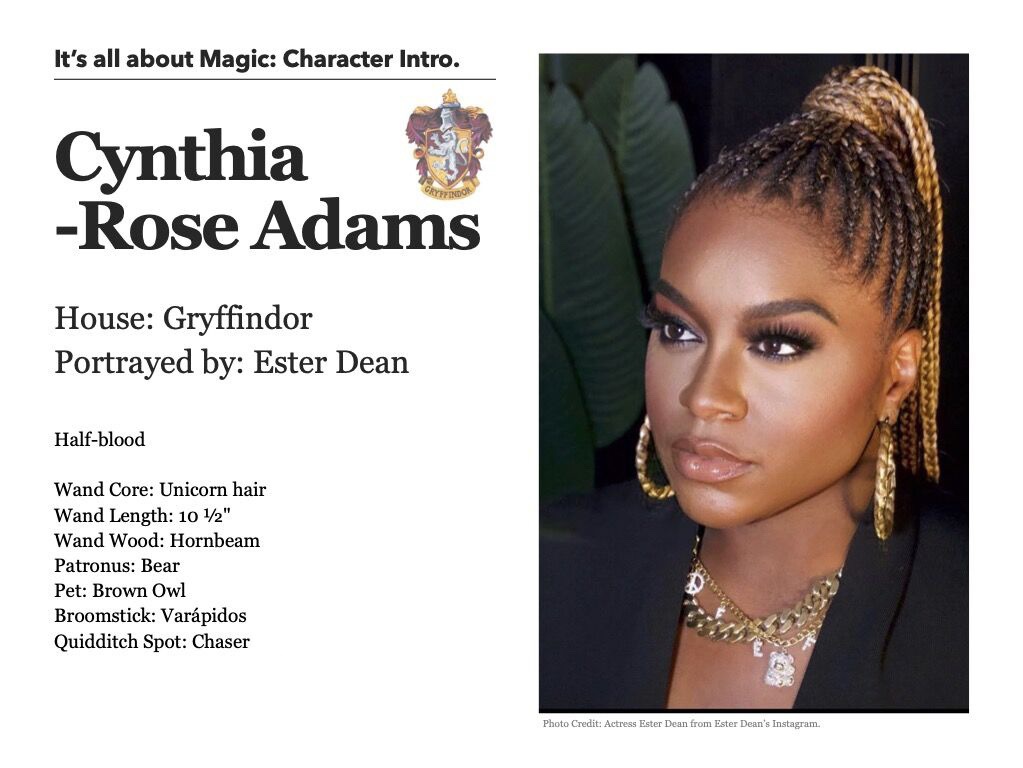
Hornbeam |
My own wand is made of hornbeam, and so it is with all due modesty that I state that hornbeam selects for its life mate the talented witch or wizard with a single, pure passion, which some might call obsession (though I prefer the term ‘vision’), which will almost always be realised. Hornbeam wands adapt more quickly than almost any other to their owner’s style of magic, and will become so personalised, so quickly, that other people will find them extremely difficult to use even for the most simple of spells. Hornbeam wands likewise absorb their owner’s code of honour, whatever that might be, and will refuse to perform acts – whether for good or ill – that do not tally with their master’s principles. A particularly fine-tuned and sentient wand.
Back to Cynthia-Rose |
|
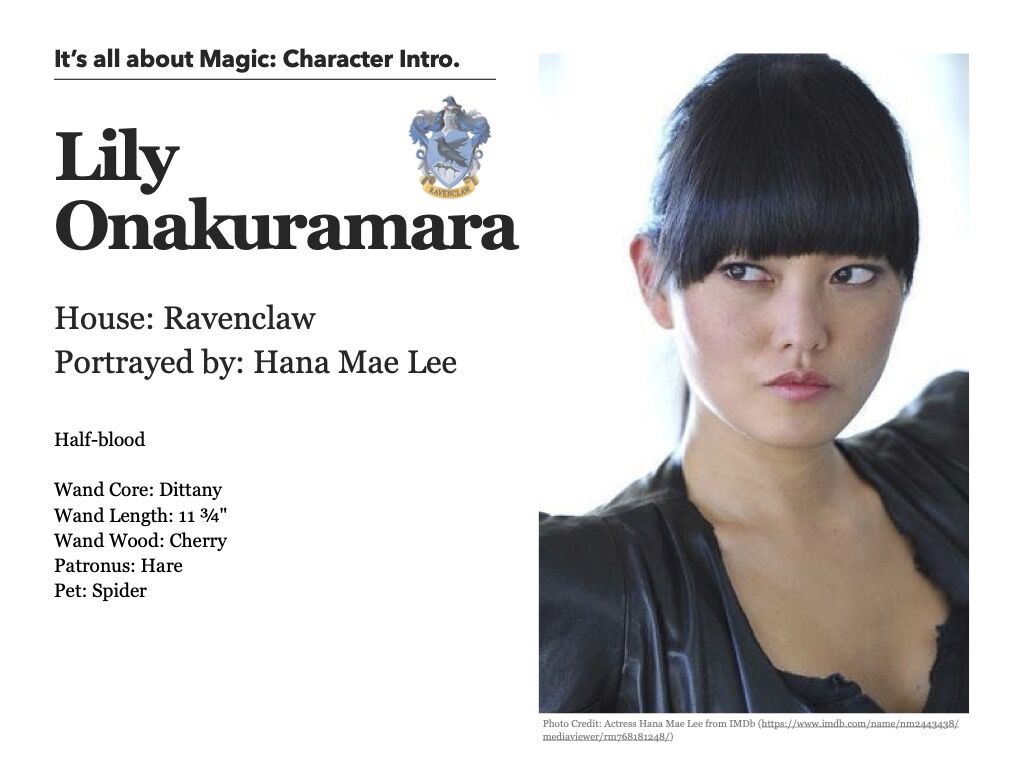
Cherry |
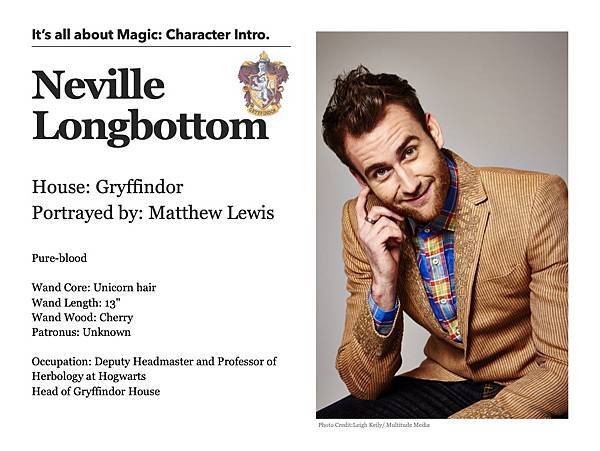
This very rare wand wood creates a wand of strange power, most highly prized by the wizarding students of the school of Mahoutokoro in Japan, where those who own cherry wands have special prestige. The Western wand-purchaser should dispel from their minds any notion that the pink blossom of the living tree makes for a frivolous or merely ornamental wand, for cherry wood often makes a wand that possesses truly lethal power, whatever the core, but if teamed with dragon heartstring, the wand ought never to be teamed with a wizard without exceptional self-control and strength of mind.
Back to Lillly
Back to Nerville |
|
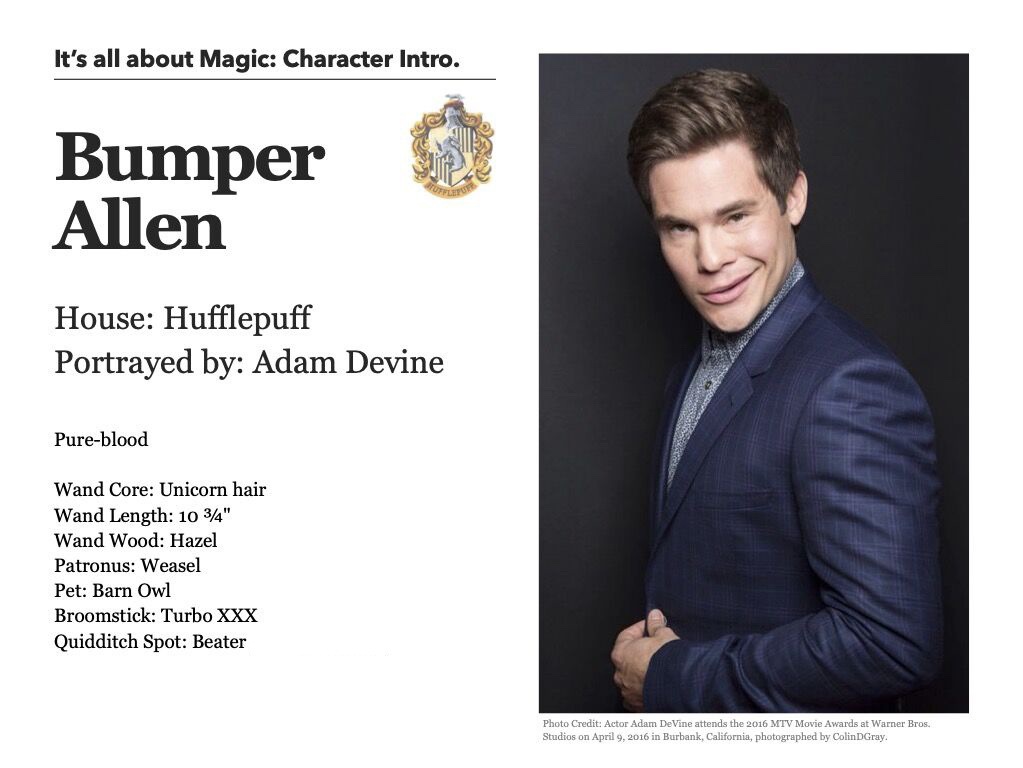
Hazel |
A sensitive wand, hazel often reflects its owner’s emotional state, and works best for a master who understands and can manage their own feelings. Others should be very careful handling a hazel wand if its owner has recently lost their temper, or suffered a serious disappointment, because the wand will absorb such energy and discharge it unpredictably. The positive aspect of a hazel wand more than makes up for such minor discomforts, however, for it is capable of outstanding magic in the hands of the skilful, and is so devoted to its owner that it often ‘wilts’ (which is to say, it expels all its magic and refuses to perform, often necessitating the extraction of the core and its insertion into another casing, if the wand is still required) at the end of its master’s life (if the core is unicorn hair, however, there is no hope; the wand will almost certainly have ‘died’). Hazel wands also have the unique ability to detect water underground, and will emit silvery, tear-shaped puffs of smoke if passing over concealed springs and wells.
Back to Bumper |
|
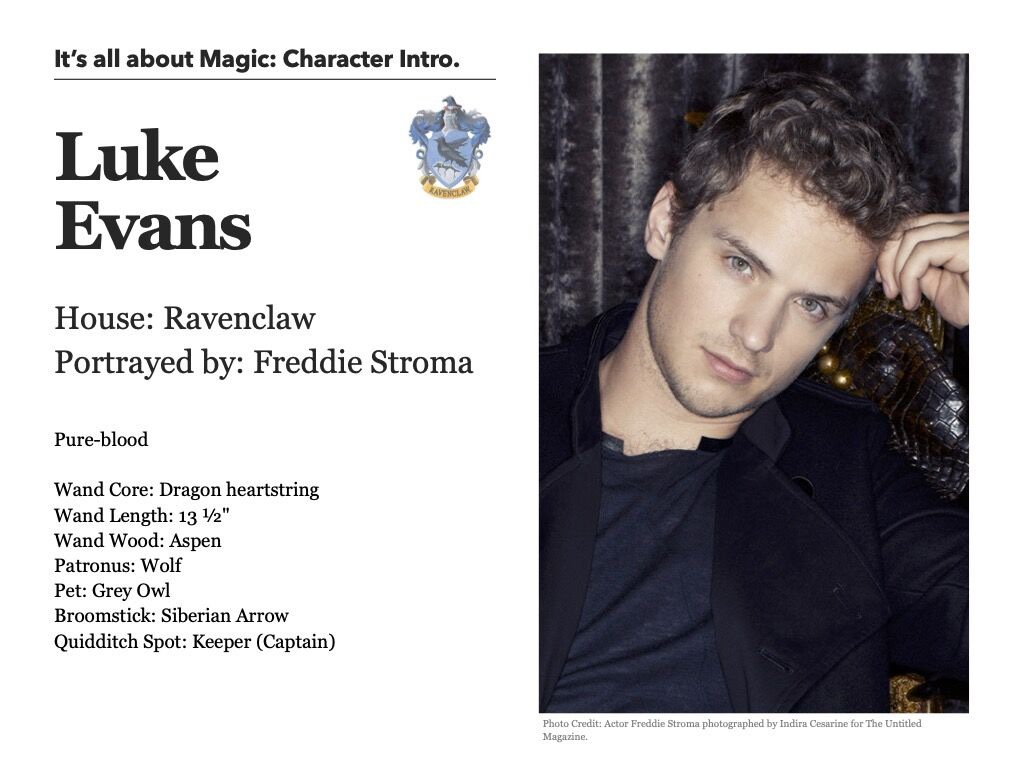
Aspen |
Wand-quality aspen wood is white and fine-grained, and highly prized by all wand-makers for its stylish resemblance to ivory and its usually outstanding charmwork. The proper owner of the aspen wand is often an accomplished duellist, or destined to be so, for the aspen wand is one of those particularly suited to martial magic. An infamous and secretive eighteenth-century duelling club, which called itself The Silver Spears, was reputed to admit only those who owned aspen wands. In my experience, aspen wand owners are generally strong-minded and determined, more likely than most to be attracted by quests and new orders; this is a wand for revolutionaries.
Back to Luke |
|
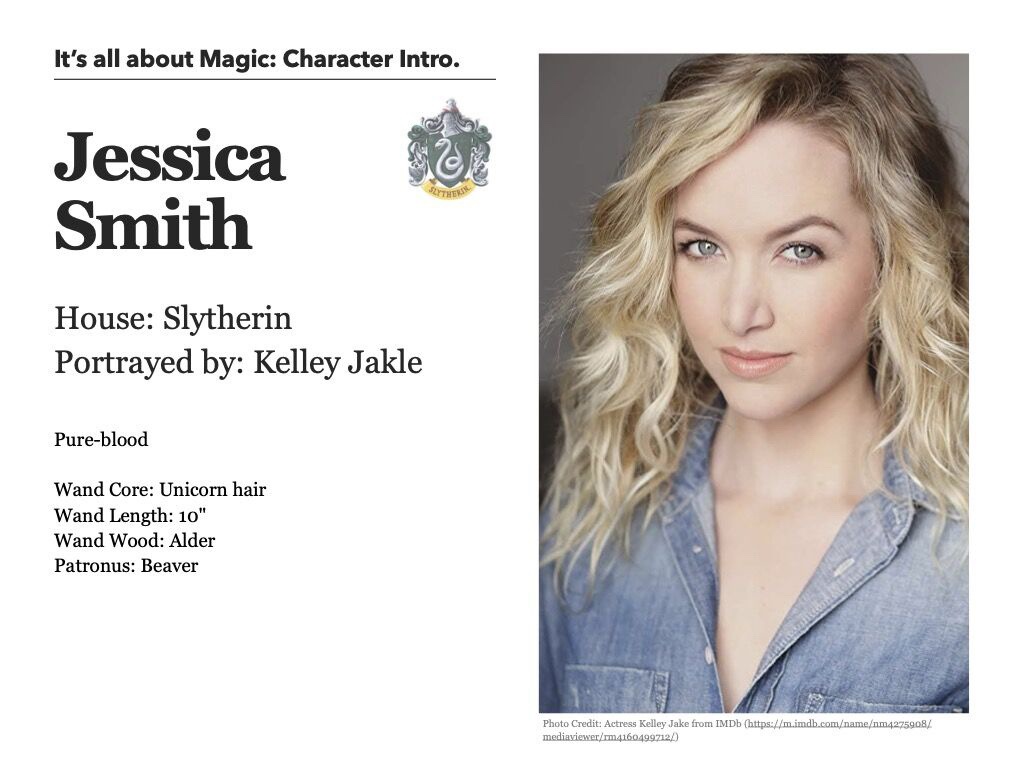
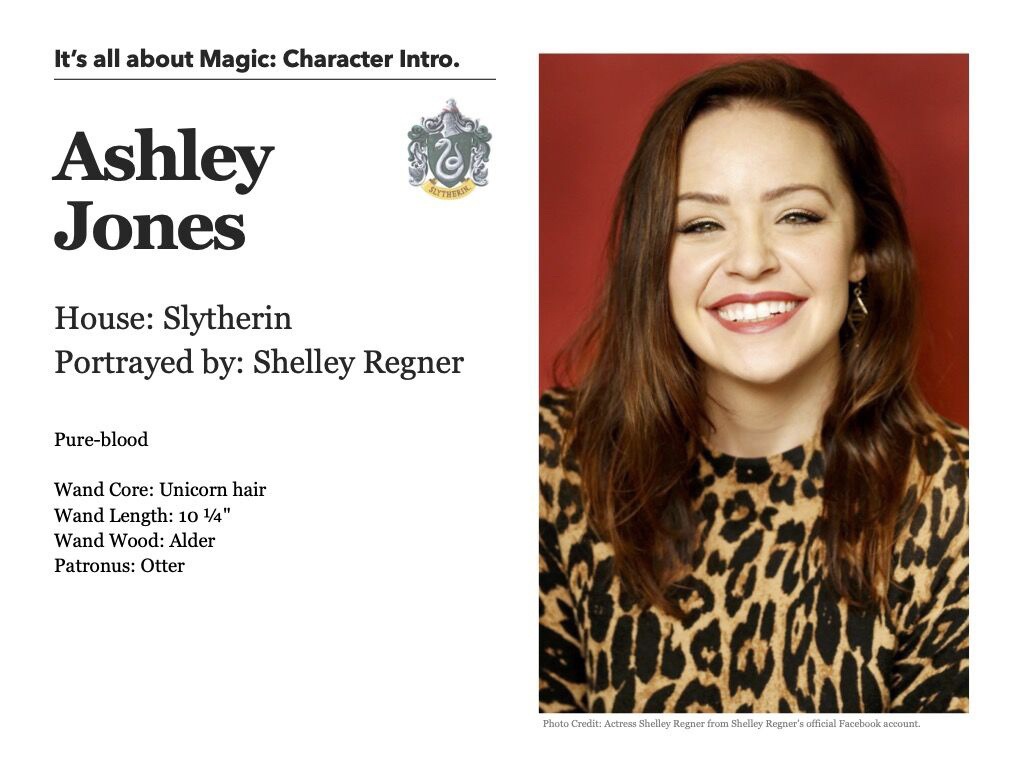
Alder |
Alder is an unyielding wood, yet I have discovered that its ideal owner is not stubborn or obstinate, but often helpful, considerate and most likeable. Whereas most wand woods seek similarity in the characters of those they will best serve, alder is unusual in that it seems to desire a nature that is, if not precisely opposite to its own, then certainly of a markedly different type. When an alder wand is happily placed, it becomes a magnificent, loyal helpmate. Of all wand types, alder is best suited to non-verbal spell work, whence comes its reputation for being suitable only for the most advanced witches and wizards.
Back to Jessica
Back to Ashley |
|
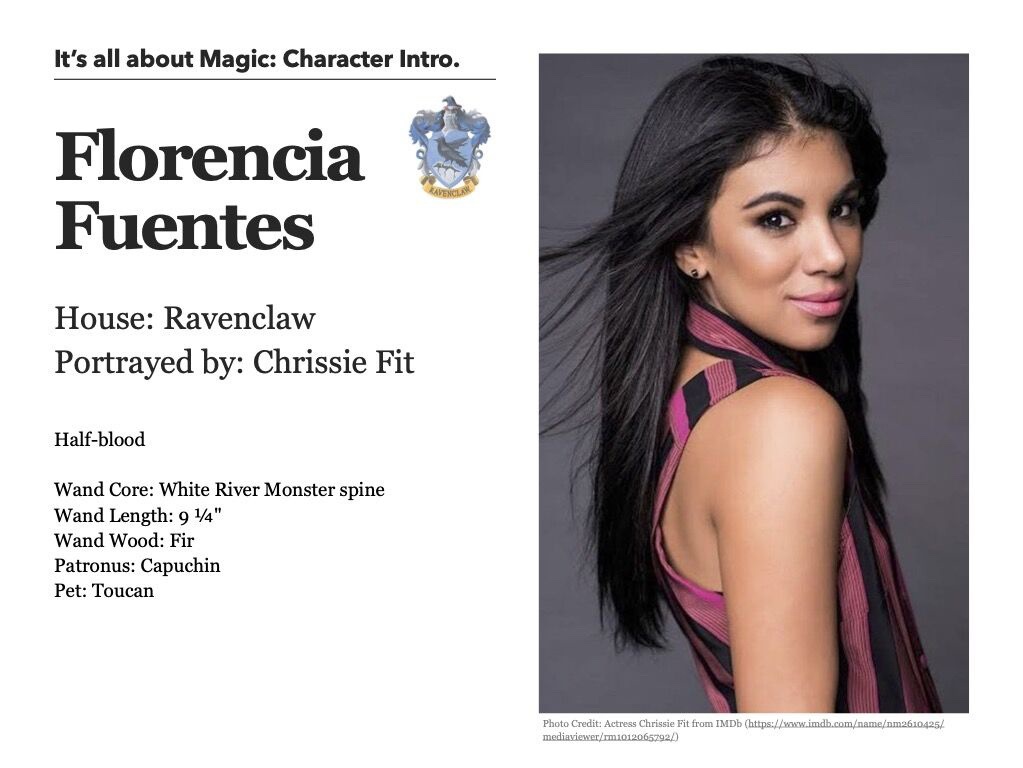
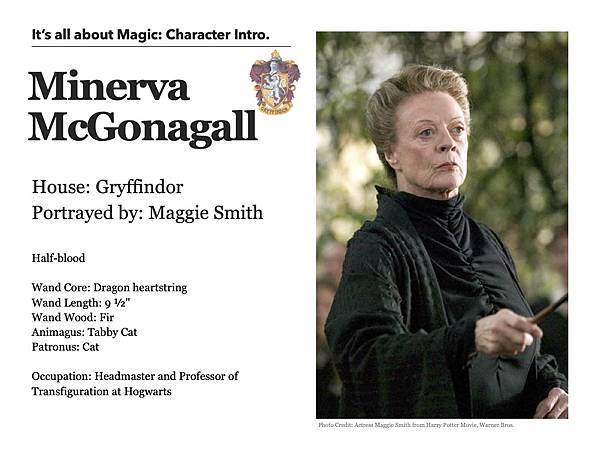
Fir |
My august grandfather, Gerbold Octavius Ollivander, always called wands of this wood ‘the survivor’s wand’, because he had sold it to three wizards who subsequently passed through mortal peril unscathed. There is no doubt that this wood, coming as it does from the most resilient of trees, produces wands that demand staying power and strength of purpose in their true owners, and that they are poor tools in the hands of the changeable and indecisive. Fir wands are particularly suited to Transfiguration, and favour owners of focused, strong-minded and, occasionally, intimidating demeanour.
Back to Flo
Back to Minerva McGonagall |
|
Cedar |
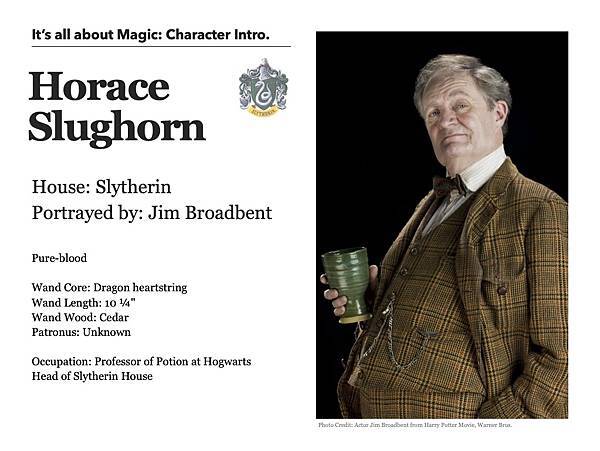
Whenever I meet one who carries a cedar wand, I find strength of character and unusual loyalty. My father, Gervaise Ollivander, used always to say, ‘you will never fool the cedar carrier,’ and I agree: the cedar wand finds its perfect home where there is perspicacity and perception. I would go further than my father, however, in saying that I have never yet met the owner of a cedar wand whom I would care to cross, especially if harm is done to those of whom they are fond. The witch or wizard who is well-matched with cedar carries the potential to be a frightening adversary, which often comes as a shock to those who have thoughtlessly challenged them.
Back to Horace Slughorn |
|
Rowan |
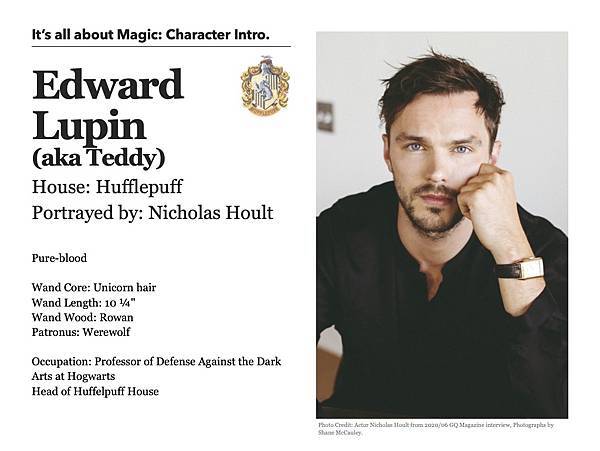
Rowan wood has always been much-favoured for wands, because it is reputed to be more protective than any other, and in my experience renders all manner of defensive charms especially strong and difficult to break. It is commonly stated that no dark witch or wizard ever owned a rowan wand, and I cannot recall a single instance where one of my own rowan wands has gone on to do evil in the world. Rowan is most happily placed with the clear-headed and the pure-hearted, but this reputation for virtue ought not to fool anyone – these wands are the equal of any, often the better, and frequently out-perform others in duels.
Back to Teddy Lupin |